
- Address : #246, sector 80, SAS Nagar, Punjab (140301)
- +91 8837732014
- dr.saritagynecology@gmail.com
Gynecology

Polycystic Ovarian Disease (PCOS/ PCOD)
Polycystic Ovarian Syndrome (PCOS), also known as Polycystic Ovarian Disease (PCOD), is a common hormonal disorder that affects people with ovaries, particularly those of reproductive age. It is characterized by a range of symptoms that can vary from person to person.
Read More

Endometriosis Treatment
Endometriosis is a chronic medical condition in which tissue similar to the lining inside the uterus, known as the endometrium, grows outside the uterus. This tissue, called endometrial implants, most commonly involves the ovaries, fallopian tubes, and the tissue lining the pelvis, but it can also spread to other areas in the body.
Read More

Urinary Incontinence Treatment
Stress Urinary Incontinence (SUI) is a condition where physical movements or activities put pressure on the bladder, causing unintentional urine leakage. Common triggers include coughing, sneezing, laughing, lifting, or exercising.
Read More
Uterine Fibroids Treatment
The treatment for uterine fibroids, noncancerous growths in the uterus, depends on the size, location, and severity of symptoms. If fibroids are small and not causing symptoms, a healthcare provider might recommend regular monitoring without immediate treatment.
Read More
ABOUT US
About Us
A Gynecology or Women's Care Clinic is a specialized healthcare facility dedicated to providing a wide range of services tailored to women's reproductive health and well-being. These clinics are staffed by gynecologists, obstetricians, nurses, and other healthcare professionals who are trained to address the unique healthcare needs of women of all ages.
Comprehensive Women's Health Services
Routine Check-ups and Screenings
Prenatal and Obstetric Care
Family Planning and Contraception
Treatment of Gynecological Conditions
Menopause Management
Emotional Support and Counseling
Educational Programs
Collaborative Care
Patient-Centered Approach
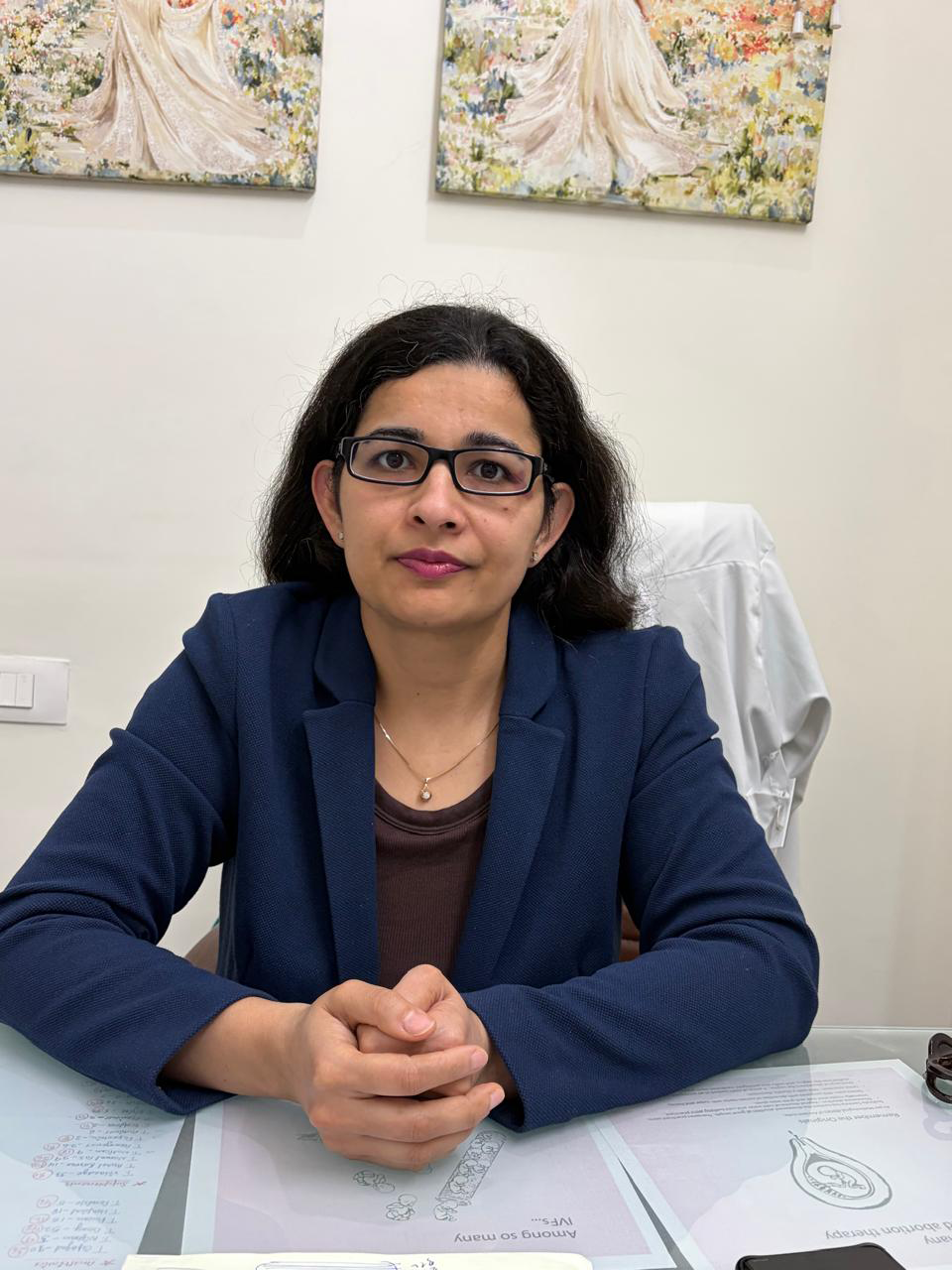
Infertility
Diagnostic Laparoscopy
Diagnostic hysterolaparoscopy, also known as diagnostic laparohysteroscopy, is a medical procedure that combines laparoscopy and hysteroscopy to visually examine the pelvic organs, including the uterus, fallopian tubes, and ovaries...
Read More
Follicular Monitoring
Follicular monitoring, also known as follicle tracking or follicular scanning, is a crucial aspect of fertility treatment and assisted reproductive techniques. It involves the use of ultrasound scans to monitor the growth and development of ovarian follicles in the ovaries...
Read More
IUI Treatment
Intrauterine insemination (IUI) is a fertility treatment that involves placing sperm directly into the uterus to facilitate fertilization. It's often recommended for couples facing various fertility challenges, including mild male factor infertility, cervical issues, or unexplained infertility...
Read More
IVF Treatment
Finding the right IVF (In Vitro Fertilization) treatment center involves considering several factors to ensure comprehensive care and a comfortable experience. Look for clinics with high success rates in terms of live births per embryo transfer. However, keep in mind that success...
Read More
Surgery
Laparoscopy
Fertility enhancing surgeries are medical procedures aimed at improving a person's ability to conceive and have a child.
Read MoreLaparoscopic Salpingectomy
Laparoscopic salpingectomy is a surgical procedure used to remove a fallopian tube, and it's often performed as a treatment...
Read MoreLaparoscopic Cystectomy
Laparoscopic cystectomy is a minimally invasive surgical procedure used to remove ovarian cysts. Ovarian cysts are fluid-filled sacs that can form on the surface or inside an ovary...
Read MoreHysteroscopic Myomectomy
A hysteroscopic myomectomy is a surgical procedure used to remove fibroids (noncancerous growths) from the uterus. Unlike traditional myomectomy, which involves making an incision on...
Read More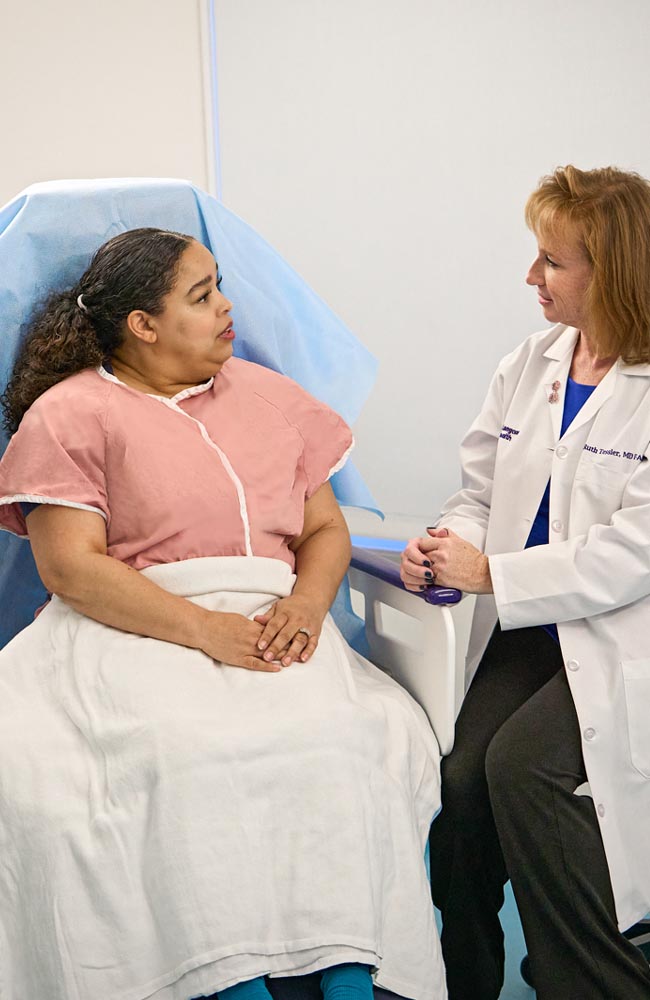
Obstetrics (Pregnancy care)
We provide the best pregnancy care throughout the journey of motherhood with a personal touch of care.
1
Routine Pregnancy Care
Routine pregnancy care is a vital component of ensuring the health and well-being of both the expectant mother and the developing baby.
2
HIGH RISK PREGNANCY
A high-risk pregnancy refers to a pregnancy in which the mother or the baby, or both, face a higher likelihood of health complications compared to a typical pregnancy.
3
Normal Delivery
Normal delivery, also known as vaginal delivery, is the natural process through which a baby is born.
4
Cesarean section
A Cesarean section, commonly known as C-section, is a surgical procedure used to deliver a baby when a vaginal birth is not possible or safe for the mother, the baby, or both.
5
Infertility
Infertility is a deeply personal and often challenging journey faced by couples who are unable to conceive a child naturally despite regular, unprotected intercourse for a specific period, usually a year.

Welcome to our clinic
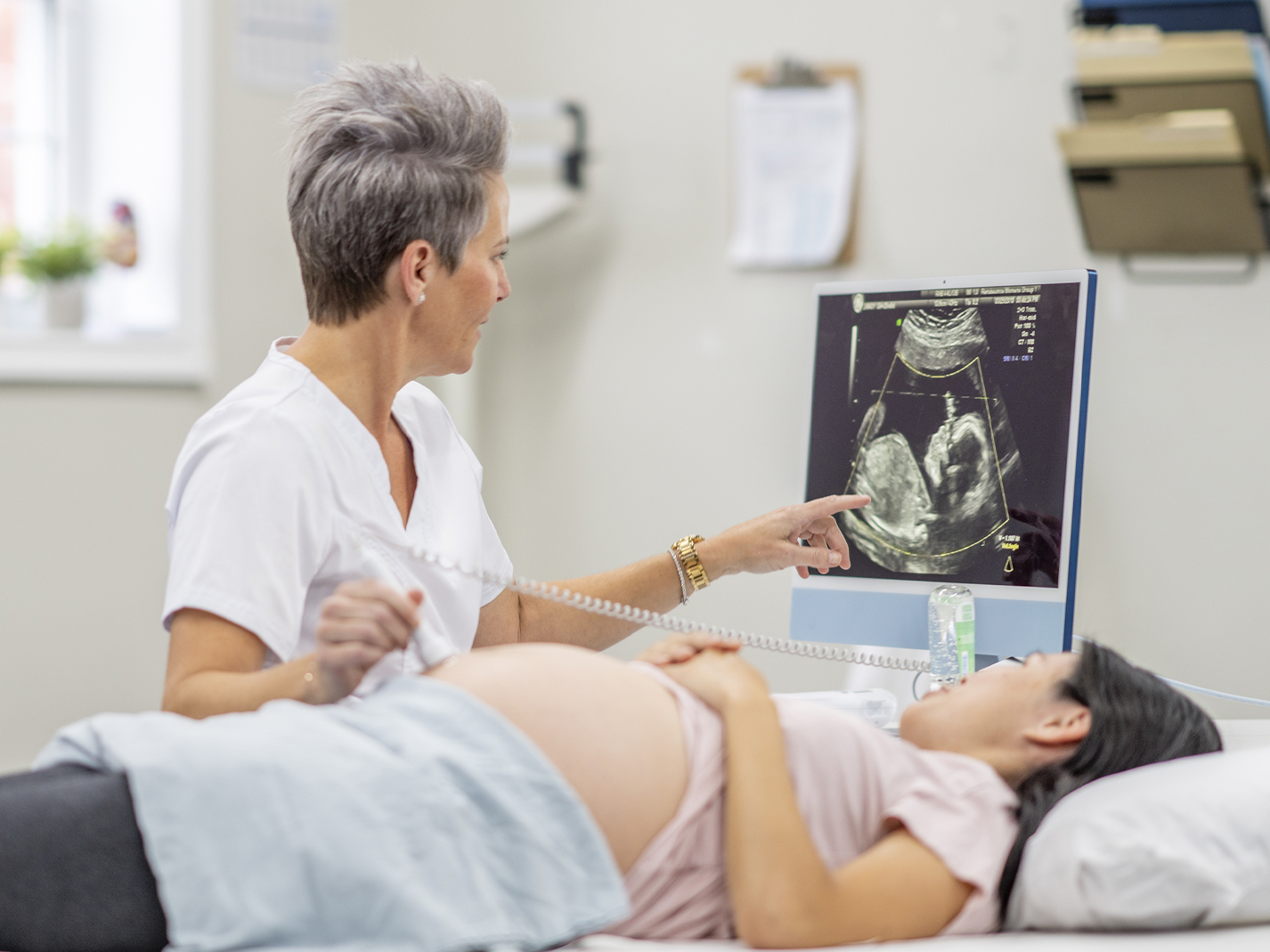
Reflection of PerfectionDr. Sarita Gynecology – Best Gynecologist Doctor
Welcome to our clinic, where your health and well-being are our top priorities. We are dedicated to providing exceptional healthcare services in a warm, compassionate, and patient-centered environment. Our highly skilled and experienced healthcare professionals are here to listen, understand, and address your unique healthcare needs.
At our clinic, we offer a comprehensive range of medical services, from routine check-ups to specialized treatments, all designed to ensure you receive the highest quality of care. Our state-of-the-art facilities are equipped with advanced medical technologies, allowing us to deliver accurate diagnoses and effective treatments.
What sets our clinic apart is not just our medical expertise but also our commitment to personalized care. We believe in building strong, trusting relationships with our patients, empowering you to actively participate in your healthcare journey. Our friendly and knowledgeable staff is here to assist you at every step, from scheduling appointments to providing follow-up care.
Thank you for choosing our clinic for your healthcare needs. We look forward to serving you and your family, providing you with the exceptional care and support you deserve. Your health and satisfaction are our utmost priorities, and we are dedicated to helping you achieve your optimal well-being.

frequently asked questions
Ans. It's recommended to start regular gynecological check-ups between the ages of 18 and 21, or when you become sexually active, whichever comes first. Regular check-ups are essential for monitoring your reproductive and overall health.
Ans. Generally, Pap smears are recommended every three years for women aged 21 to 65, unless otherwise advised by your healthcare provider. During a Pap smear, a small sample of cells is collected from the cervix to screen for abnormalities and cervical cancer.
Ans. There are various birth control options, including pills, patches, injections, intrauterine devices (IUDs), and implants. The best option depends on your health, lifestyle, and future family planning goals. We can discuss your preferences and guide you to the most suitable choice.
Ans. Lifestyle changes, pain relievers, hormonal birth control, and relaxation techniques can help manage menstrual symptoms. If your symptoms are severe, we can explore potential underlying causes and appropriate treatments.
Ans. Common signs include itching, unusual discharge, and discomfort. Infections like yeast infections or bacterial vaginosis are usually treated with medications such as antifungal creams or antibiotics. It's essential to seek prompt medical attention for accurate diagnosis and treatment.
Ans. Maintaining a healthy lifestyle, tracking your menstrual cycle, managing stress, and having regular intercourse during your fertile window can enhance your chances of conceiving. If you're struggling with fertility, we can conduct fertility assessments and discuss appropriate interventions.
OUR BLOG
Recent Articles and News

Gynecology Insights: Nurturing Women's Health.
Briefly introduce the blog's purpose: to share information, answer questions, and empower women with knowledge about their reproductive and overall health.
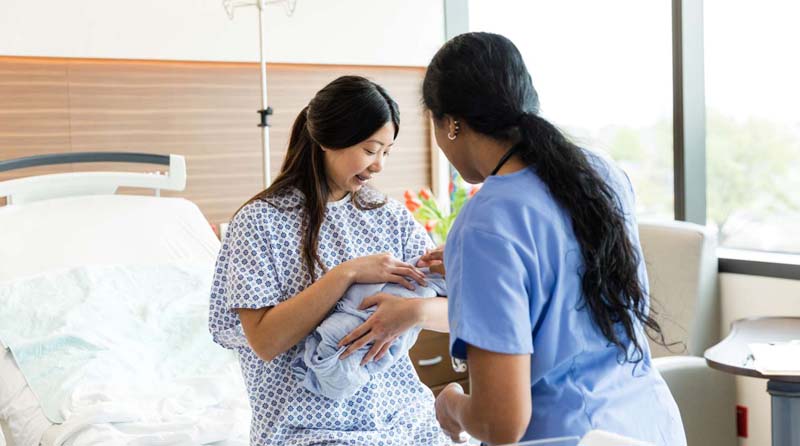
Choosing the Right Place for Your Delivery: A Guide for Expectant Parents
Expectant parents often have various concerns and questions about where to welcome their new addition to the family.

Irregular Periods: Why Consulting a Gynecologist is Important
Irregular periods, medically known as oligomenorrhea, can be more than just an inconvenience. They can be indicative of underlying health issues that require professional attention.
Happy Patient
What Says Our Patients
Dr. Sarita is very professional, every conversation/concern you share with her makes you realize how knowledgeable she is and how easily she handles your issues by always being calm and available. She is truly one of the best gynecologists and consulting her during our first pregnancy was a wonderful experience. Highly recommended for those who are starting the beautiful phase of their life.
The whole pregnancy test from pregnancy to normal functioning went very well and thank you very much.
I have taken treatment from Dr Sarita, I have got labiaplasty done I love the result I am satisfied with this treatment and highly recommend best gynecologist.
The whole pregnancy test from pregnancy to normal functioning went very well and thank you very much.
I have taken treatment from Dr Sarita, I have got labiaplasty done I love the result I am satisfied with this treatment and highly recommend best gynecologist.