A high-risk pregnancy refers to a pregnancy in which there is an increased likelihood of complications for the pregnant person, the developing fetus, or both. These complications can arise due to various factors, including pre-existing medical conditions, pregnancy-related conditions, or issues that develop during pregnancy. Here are some common factors that can contribute to a high-risk pregnancy:
Maternal Age: Both very young mothers (under 18) and older mothers (over 35) are at a higher risk for certain complications.
Pre-existing Medical Conditions: Conditions like diabetes, hypertension, heart disease, kidney disease, autoimmune disorders, and certain infections can increase the risk of complications during pregnancy.
History of Complications: Individuals who have experienced complications in previous pregnancies, such as preterm birth, preeclampsia, or gestational diabetes, may be at higher risk in subsequent pregnancies.
Multiple Gestation: Carrying twins, triplets, or more increases the risk of complications due to the higher demands on the body.
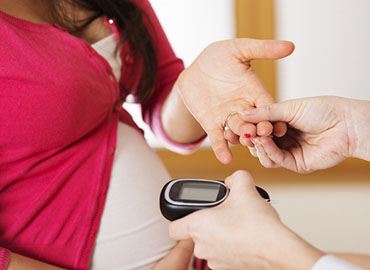
Gestational Diabetes: This is a form of diabetes that develops during pregnancy and can lead to complications if not properly managed.
Hypertensive Disorders: Conditions like chronic hypertension or preeclampsia can lead to complications for both the mother and the baby.
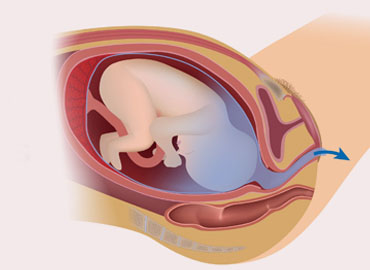
Placental Problems: Issues like placenta previa (when the placenta covers part or all of the cervix) or placental abruption (when the placenta separates from the uterine wall prematurely) can lead to bleeding and other complications.
Preterm Labor: Some pregnancies may be at risk for delivering before 37 weeks due to various factors.
Fetal Growth Restrictions: This occurs when the baby's growth is slower than normal. It can be due to various maternal or fetal factors.
Infections: Certain infections during pregnancy, such as cytomegalovirus (CMV) or Zika virus, can pose risks to the developing fetus.
Rh Incompatibility: If the mother is Rh-negative and the baby is Rh-positive, it can lead to complications that require special care.
Other Factors: Lifestyle factors like smoking, substance abuse, or obesity can also increase the risk of complications.
It's important to note that being classified as high-risk does not necessarily mean that complications will occur. It means that there is an increased likelihood, and careful monitoring and management are needed to mitigate potential risks.
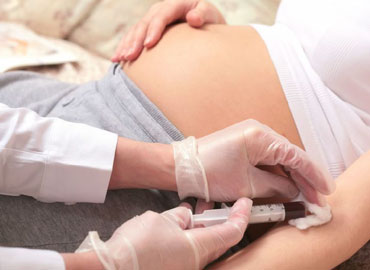
Individuals with high-risk pregnancies receive specialized care, often from a team of healthcare providers, which may include obstetricians, maternal-fetal medicine specialists, neonatologists, and other specialists as needed. The goal is to provide the best possible care to ensure a safe pregnancy and delivery for both the mother and baby.