High blood pressure during pregnancy, also known as hypertension, can have serious implications for both the pregnant person and the baby.
There are several types of high blood pressure disorders that can occur during pregnancy:
1. Gestational Hypertension:
Gestational hypertension is high blood pressure that develops after 20 weeks of pregnancy in a woman who previously had normal blood pressure. It usually resolves after childbirth, but it can increase the risk of developing chronic hypertension later in life.
2. Preeclampsia:
Preeclampsia is a more severe form of hypertension that develops after 20 weeks of pregnancy and is accompanied by signs of damage to organs, such as the liver and kidneys. Preeclampsia can lead to complications for both the mother and the baby and may require early delivery to prevent further harm.
3. Chronic Hypertension:
Chronic hypertension is high blood pressure that is present before pregnancy or diagnosed before 20 weeks of gestation. Women with chronic hypertension need careful monitoring during pregnancy, as they are at increased risk of complications such as preeclampsia.
4. Preeclampsia with Severe Features:
Some cases of preeclampsia progress to a more severe form known as preeclampsia with severe features. This condition requires close monitoring and often results in early delivery to protect the health of the mother and the baby.
Risks and Complications:
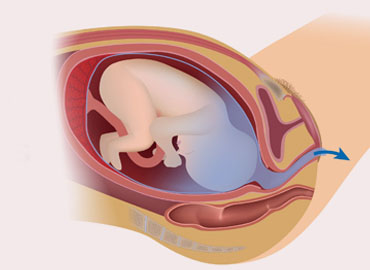
High blood pressure during pregnancy can lead to various complications, including:
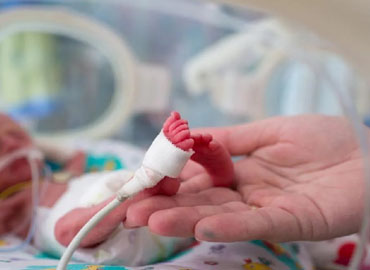
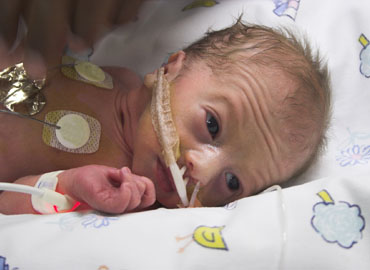
Preterm Birth: Hypertension can lead to the need for early delivery, which increases the risk of preterm birth.
Intrauterine Growth Restriction (IUGR): High blood pressure can restrict the baby's growth in the womb, leading to low birth weight. Placental Abruption: Hypertension increases the risk of the placenta detaching from the uterine wall before delivery, which can be life-threatening for both the mother and the baby. Organ Damage: Preeclampsia can affect the liver, kidneys, and other organs, leading to complications. Eclampsia: In severe cases, preeclampsia can progress to eclampsia, which involves seizures and can be life-threatening.
Management and Treatment:
The management of high blood pressure during pregnancy depends on the type and severity of the condition. It may include:
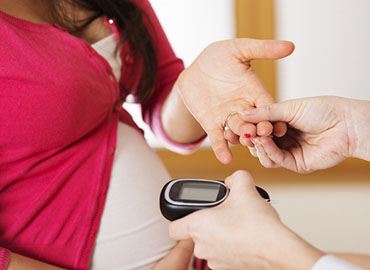
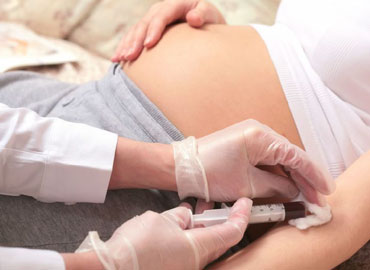
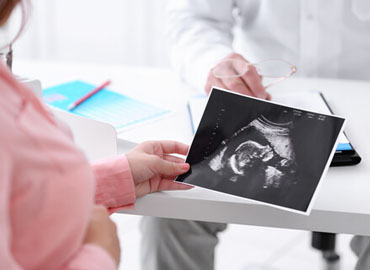
Regular Monitoring: Blood pressure, urine, and blood tests are monitored frequently to assess the mother's and baby's health. Medications: Some pregnant individuals may need antihypertensive medications to control blood pressure. Bed Rest: In certain cases, healthcare providers may recommend reduced activity or bed rest to manage hypertension. Early Delivery: Depending on the severity of the condition, early delivery might be necessary to protect the health of the mother and the baby.
Prevention and Prenatal Care:
Prenatal Visits: Attending all prenatal appointments is essential for early detection and management of high blood pressure. Healthy Lifestyle: Eating a balanced diet, staying physically active (with the healthcare provider's approval), and avoiding smoking and excessive alcohol consumption can contribute to a healthier pregnancy. Risk Assessment: Informing the healthcare provider about any personal or family history of hypertension is important for risk assessment and appropriate monitoring.
It's crucial for individuals with high blood pressure or a history of hypertension to work closely with their healthcare provider before and during pregnancy to manage their condition effectively and reduce the risk of complications. Early detection, proper prenatal care, and lifestyle modifications can significantly improve outcomes for both the mother and the baby.